


Define the primary training goal
Decide whether strength, cardio, performance, mobility, recovery, or a balanced mix will drive the layout.
Free shipping on every ActiveMora order.
Free Weights
Strength Equipment
Cardio Equipment
Conditioning Training
Functional Training
Agility & Sports Training
Yoga & Pilates
Recovery Equipment
Gym Accessories
ActiveMora / Home Gym Guides
Build a home training space around the workouts you actually plan to repeat, with clear guidance for equipment choice, layout, storage, strength, cardio, mobility, and recovery.
A useful home gym is not defined by how much equipment fits inside it. Start with the goal, protect usable movement space, then add equipment only when it has a clear role.
Plan the Space
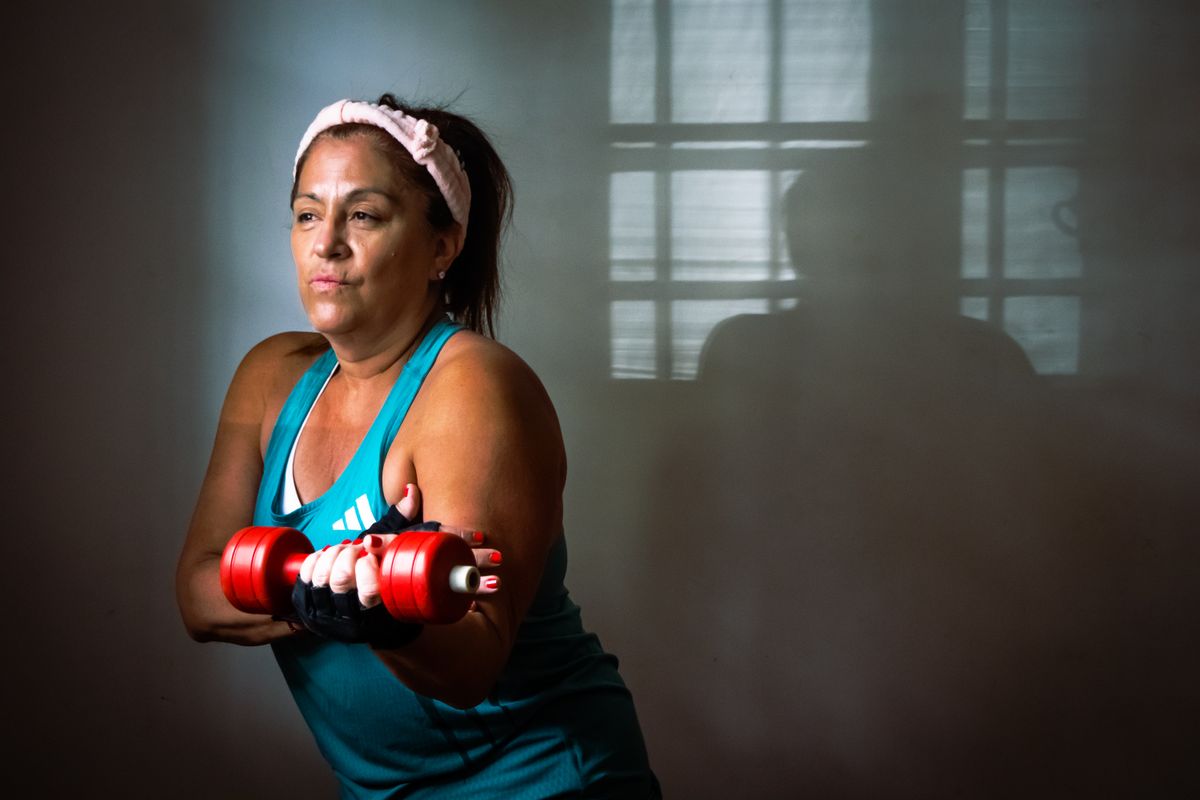
The best place to start a home gym is not with a product list. Start by deciding what you want the room or training corner to support. A strength-focused setup needs different floor space and equipment than a cardio-focused setup, while a mixed home gym benefits from clear zones for resistance work, conditioning, mobility, and storage.
Measure the available area before ordering larger equipment. Check how much room is needed not only for the machine or rack itself, but also for getting on and off the equipment, adjusting it, loading weights, moving through exercises, and putting accessories away after the session.
Decide whether strength, cardio, performance, mobility, recovery, or a balanced mix will drive the layout.
Keep room for the equipment footprint, adjustment, movement, storage, and comfortable transitions between exercises.
Choose products that support repeatable sessions instead of filling the room with equipment that duplicates the same purpose.
Preserve open space so new training needs can be supported later without forcing the entire room to be redesigned.
Training Zones
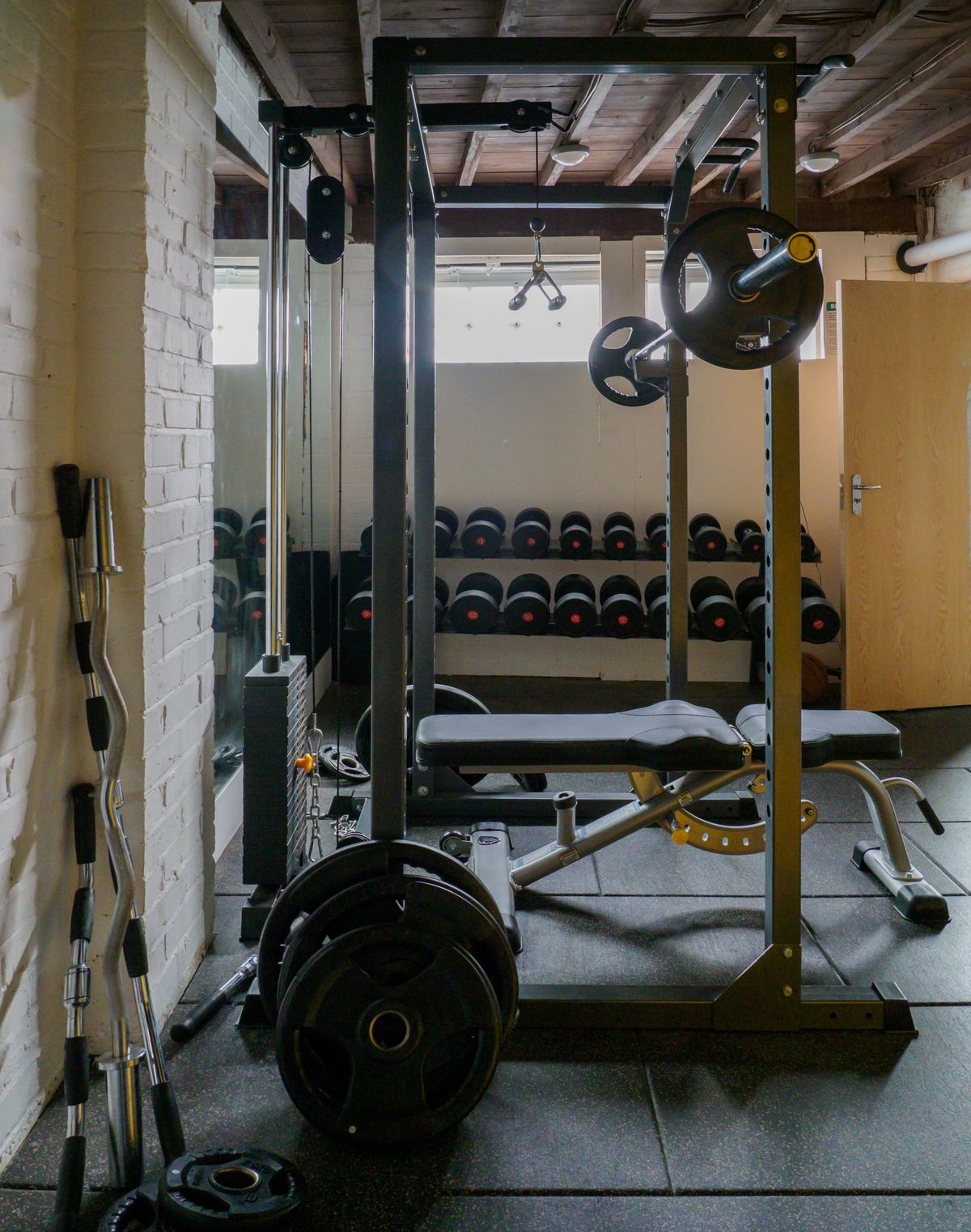
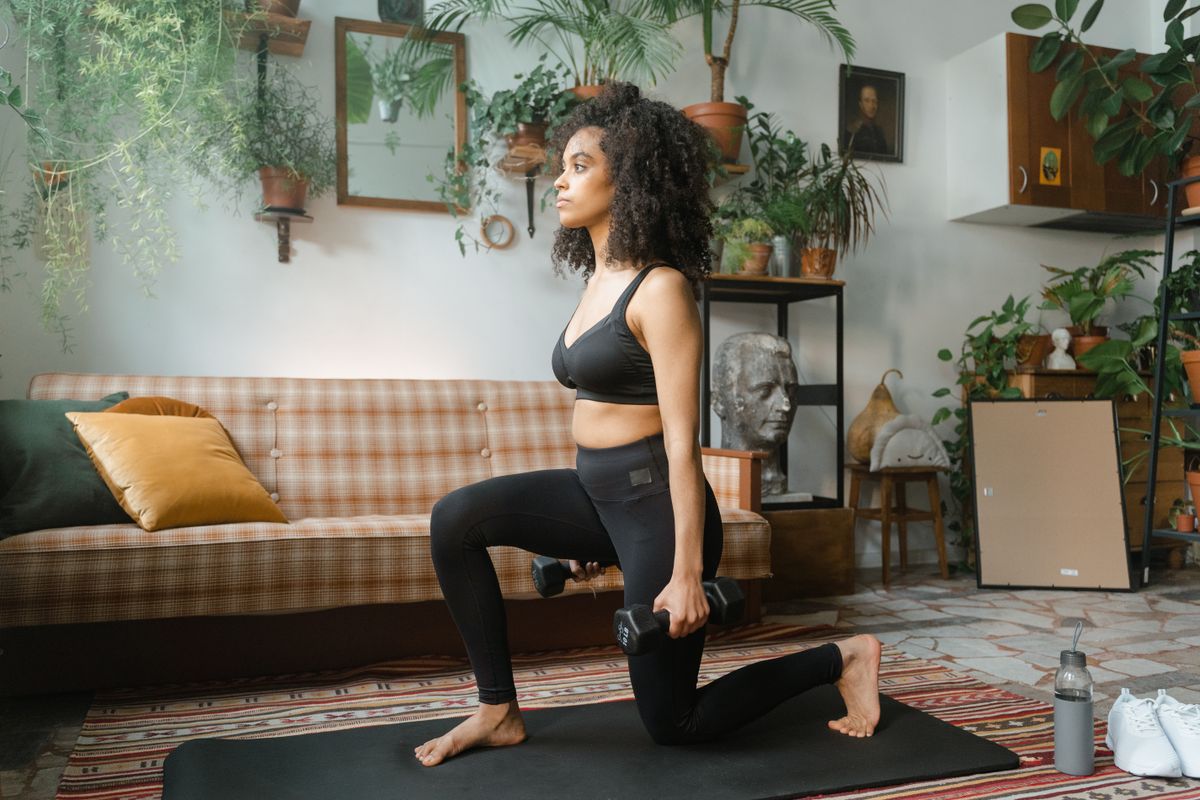
A home gym becomes easier to use when the room is divided by function. The zones do not need walls or permanent fixtures. Even a small room can feel organized when strength equipment stays together, cardio equipment has predictable clearance, and an open section remains available for mobility or floor work.
Keeping each zone simple also reduces the amount of equipment that needs to be moved before every session.
Use this area for dumbbells, kettlebells, barbells, plates, benches, racks, bodyweight stations, and resistance equipment.
Keep treadmills, walking pads, bikes, rowers, steppers, and conditioning equipment in a position with comfortable access.
Leave enough open floor space for yoga mats, blocks, straps, Pilates work, balance equipment, stretching, and warm-ups.
Store foam rollers, massage tools, recovery products, supports, and small accessories where they can be reached without cluttering the main workout area.
Do not treat every empty section of floor as unused space. Clear movement room is what makes the equipment easier to access, adjust, and use consistently.
Choose the Equipment
A complete home gym does not need to be purchased at once. Start with equipment that covers the largest part of your routine, then expand when a new product adds a movement, resistance range, cardio option, or recovery function that the current setup cannot provide.
Adjustable or multi-purpose equipment can be especially useful when space is limited, while dedicated racks, machines, and storage can make sense when the room is built specifically for training.
Choose a small group of products that supports the majority of your planned sessions and fits comfortably inside the space.
Introduce more resistance, load capacity, incline, speed, or exercise variety when the current setup no longer covers the next training step.
Use cardio, agility, mobility, balance, or recovery equipment to support qualities that are not already covered by the main strength setup.
Improve storage and floor organization before adding more products to a space that is already difficult to move through.
Adjustable dumbbells, resistance bands, a mat, a jump rope, and compact recovery tools can support a broad routine with limited space.
Dumbbells, kettlebells, weight sets, a bench, rack or bodyweight station, flooring, and storage create a stronger resistance-training base.
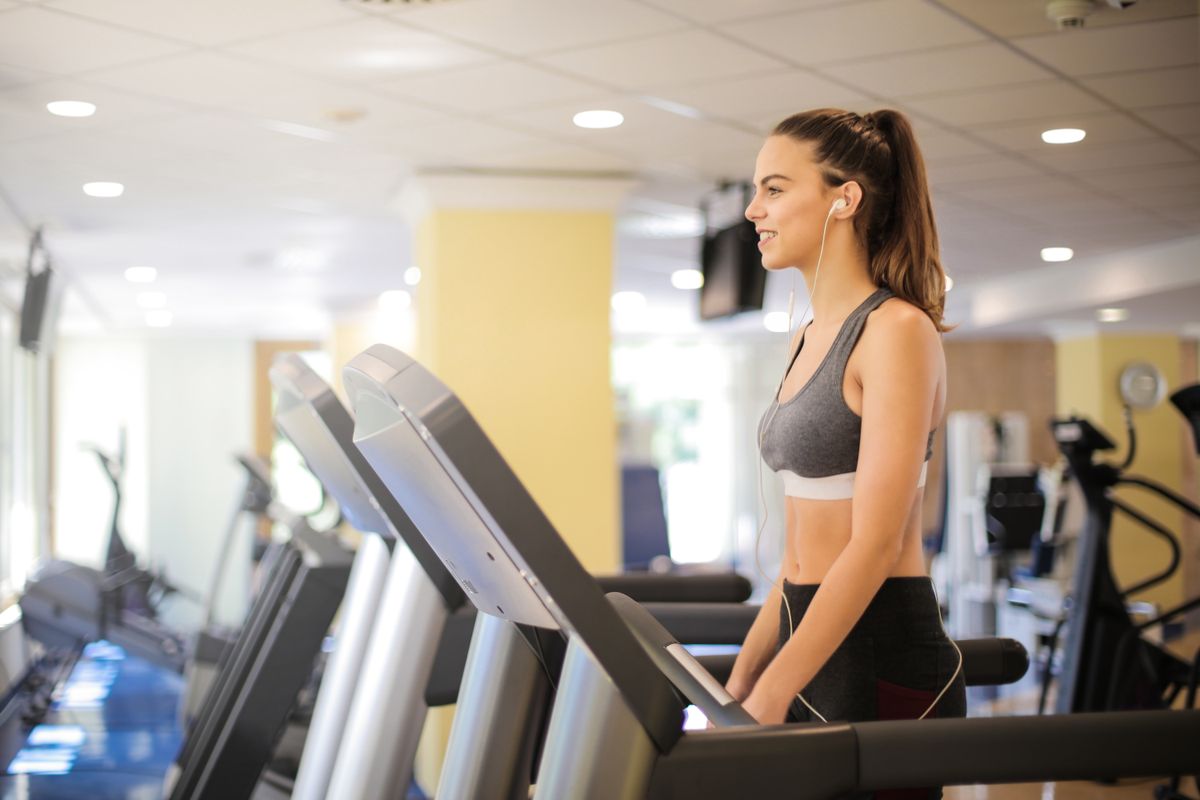
A walking pad, treadmill, bike, rower, or stepper can become the anchor, with ropes or weighted conditioning gear adding variety.
Combine free weights, one primary cardio option, functional training gear, a mobility area, recovery tools, flooring, and organized storage.
Storage & Floor Planning
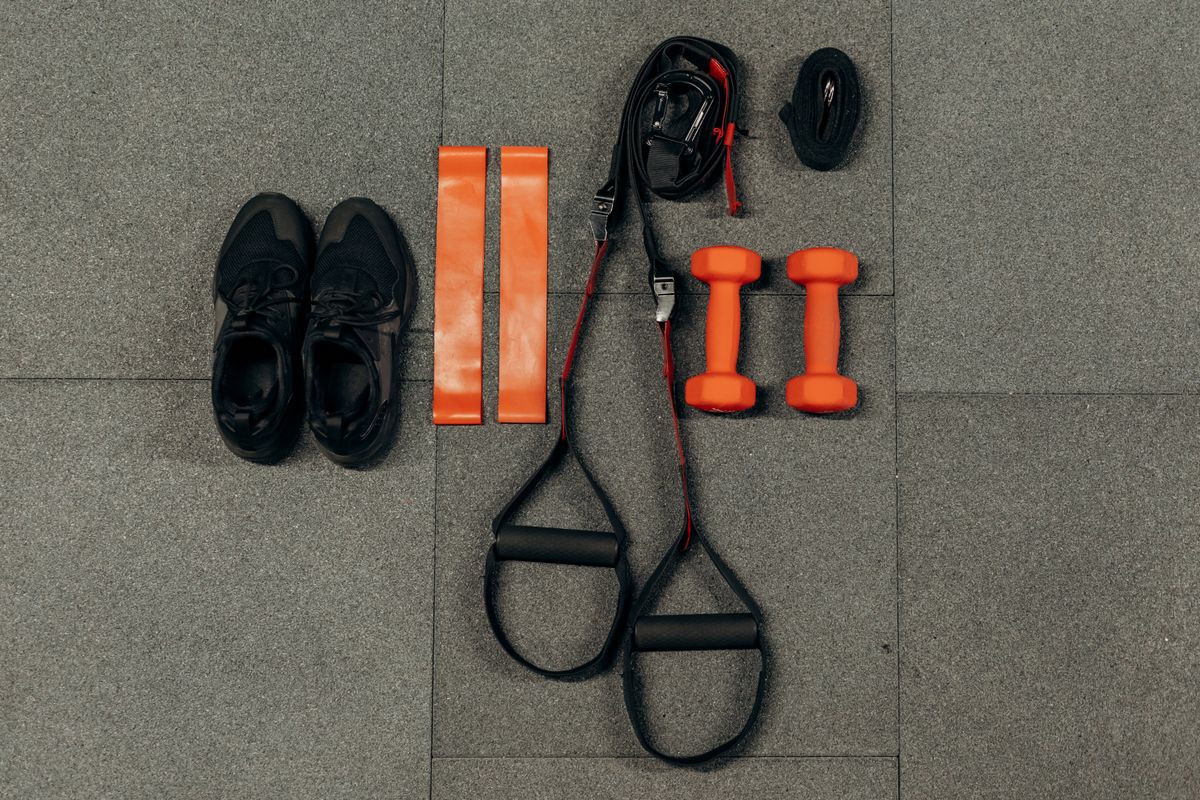
A home gym can become frustrating when every workout starts by moving equipment out of the way. Storage should reduce setup time, keep frequently used products easy to reach, and preserve enough open floor area for the exercises you actually perform.
Weight racks, shelves, hooks, baskets, equipment stands, and dedicated corners can all help. Flooring can also create clearer training zones and protect the area used by benches, racks, weights, or cardio equipment.
Keep everyday equipment easy to reach and move less frequently used accessories away from the main training path.
Use stable storage for weights and larger equipment while keeping bands, straps, ropes, and smaller tools organized separately.
Avoid placing storage where it reduces the clearance needed for walking, lifting, stretching, or adjusting larger equipment.
Return weights and accessories to their storage position so the next workout begins with a clear, predictable space.
Use the Home Gym
The room should make training easier to begin. Keep warm-up tools visible, store the main equipment where it can be used without a long setup process, and use simple session structures that match the equipment already in the space.
A balanced week can combine strength work, cardio, conditioning, mobility, and recovery without requiring every category to appear in every workout.
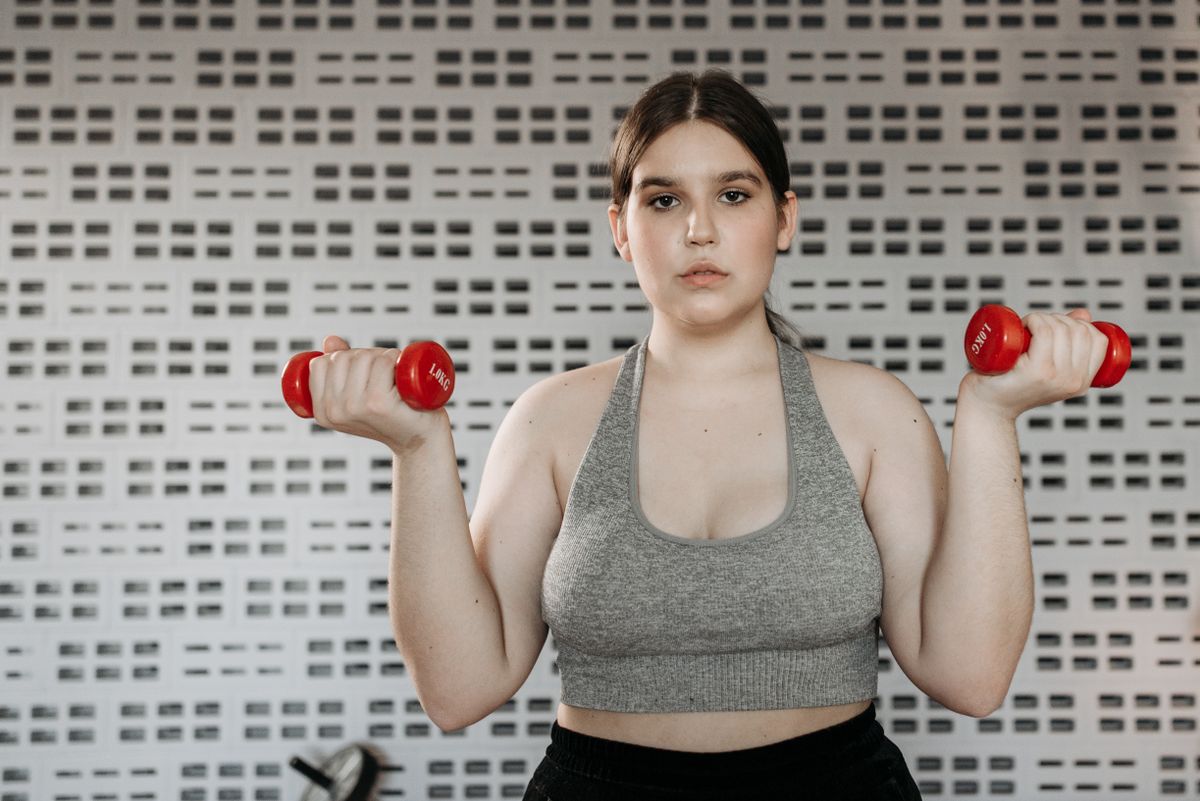
Use dumbbells, kettlebells, barbells, benches, racks, bands, or bodyweight stations for planned resistance work.
Use a treadmill, walking pad, bike, rower, stepper, jump rope, or other conditioning tool at a repeatable effort.
Add medicine balls, sandbags, agility equipment, plyometric tools, reaction trainers, and suspension work when athletic development is the focus.
Use yoga, Pilates, balance, stretching, foam rolling, massage, or other recovery tools at an intensity that supports the next session.
Follow the setup, use, clearance, and maintenance instructions supplied with each product. Keep your training area stable, organized, and appropriate for the equipment you choose to use.
Home Gym Checklist
Use this checklist before adding new equipment to your home training area.
Confirm floor area, access, ceiling clearance, equipment footprint, adjustment room, and the open space required for movement.
Decide which one or two products will define the setup, such as adjustable weights, a rack and bench, treadmill, bike, or rower.
Give weights, bands, ropes, yoga gear, recovery tools, and smaller accessories a defined storage location before the room becomes crowded.
Keep enough clear area for warm-ups, mobility, bodyweight work, carrying equipment, and moving safely between training zones.
Add new equipment only when the existing setup no longer supports a clear training need or progression goal.
A home gym is easier to use consistently when equipment can be returned to its place quickly after each session.
ActiveMora Support
Our customer support team is available 24/7 for product questions, orders, shipping, delivery, returns, exchanges, and your ActiveMora home gym setup.