


Choose one primary goal
Decide whether the current focus is strength, endurance, performance, mobility, recovery, or a balanced combination.
Free shipping on every ActiveMora order.
Free Weights
Strength Equipment
Cardio Equipment
Conditioning Training
Functional Training
Agility & Sports Training
Yoga & Pilates
Recovery Equipment
Gym Accessories
ActiveMora / Training Guides
Use these practical guides to match your equipment to a clear training goal, build a more balanced routine, and make better use of your strength, cardio, performance, mobility, and recovery gear.
Start with the goal first, then choose the equipment. A focused setup is easier to use consistently than a collection of gear with no clear role.
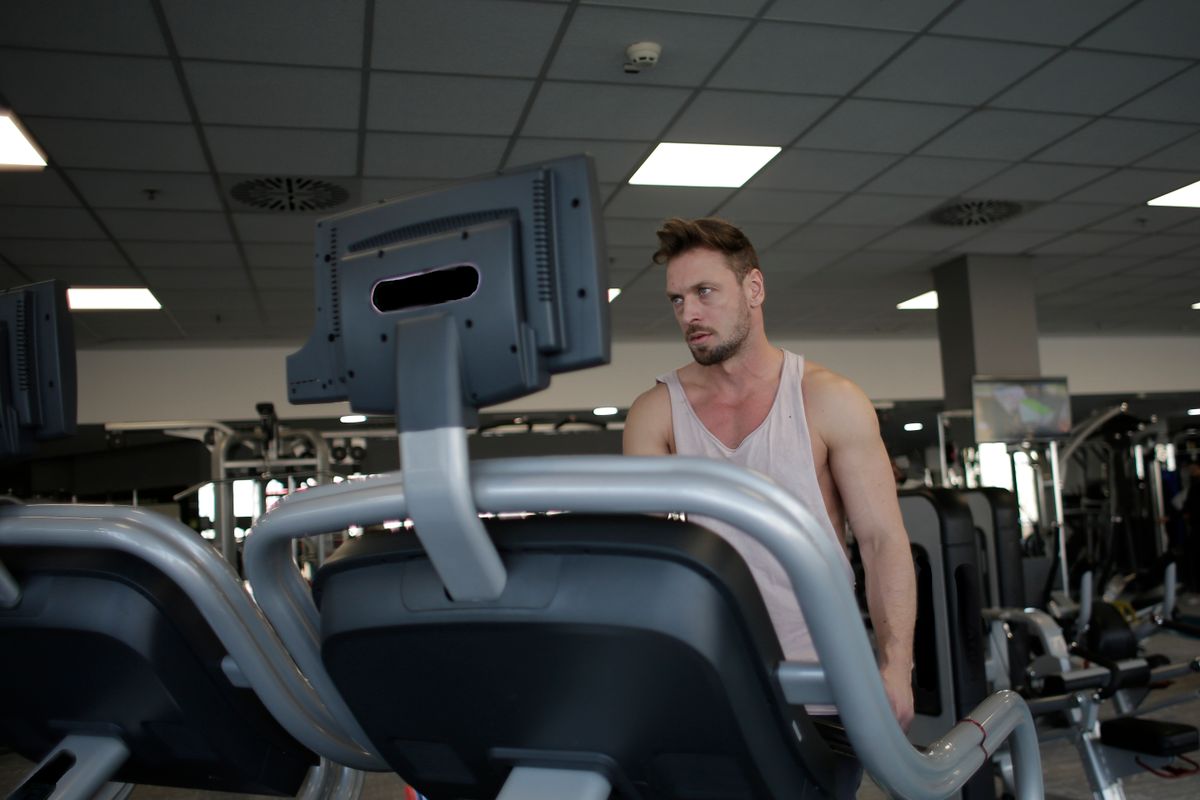
Training Foundation
Before adding more equipment, decide what the next phase of your training should improve. Strength, endurance, speed, agility, balance, mobility, and recovery each benefit from different tools and different ways of organizing a session.
A simple routine built around a few useful movements is usually easier to repeat than a complicated plan that changes every day. Choose equipment that supports those movements, fits your available space, and can be adjusted as your ability improves.
Decide whether the current focus is strength, endurance, performance, mobility, recovery, or a balanced combination.
Select gear that supports the exercises you can perform consistently rather than equipment with no defined role.
Adjustable resistance, load ranges, incline, speed, or movement difficulty make it easier to progress gradually.
Allow enough room for equipment dimensions, setup, safe movement, storage, and transitions between exercises.
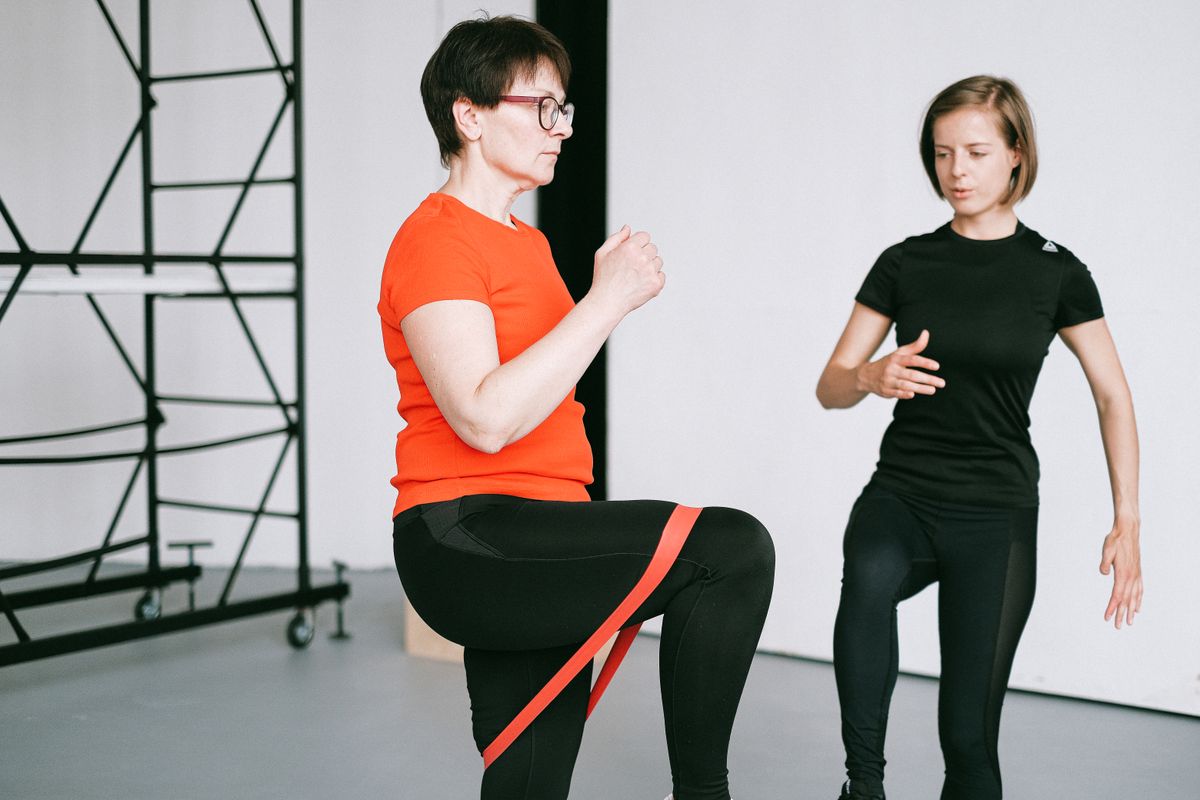
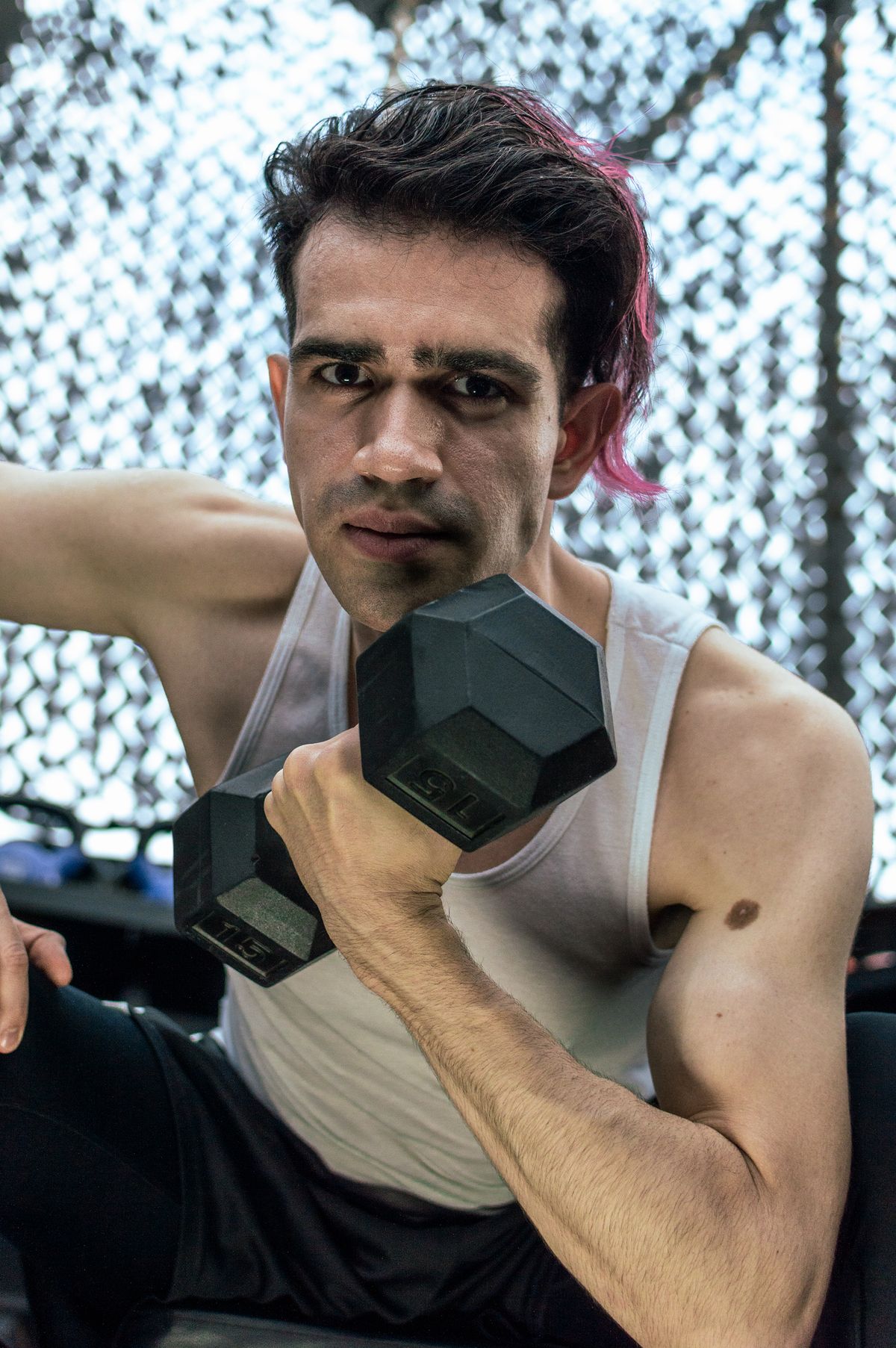
Strength Training
Strength equipment works best when the load, movement, and progression are easy to track. Dumbbells, kettlebells, barbells, plates, benches, racks, resistance bands, and bodyweight stations can all support progressive training when they are matched to movements you can perform with control.
Use a load that lets you maintain stable technique through the planned set. Progress can come from gradually adding resistance, increasing repetitions, improving control, or moving through a greater usable range when appropriate.
Build sessions around repeatable movement patterns such as squat, hinge, push, pull, carry, and controlled core work.
Use resistance that allows the planned repetitions to stay controlled instead of forcing unstable technique.
Track resistance, repetitions, sets, or exercise variations so improvement is based on something measurable.
Dumbbells & Adjustable Weights, Kettlebells & Weighted Training Gear, Barbells & Weight Plates, Benches & Racks, and Resistance Bands & Suspension Trainers.
Cardio & Conditioning
Cardio training is easier to manage when you can control duration, pace, resistance, incline, or effort. Treadmills, walking pads, steppers, exercise bikes, rowers, jump ropes, battle ropes, and weighted conditioning tools provide different ways to build work capacity.
Start with a pace you can sustain with consistent movement quality. Increase one training variable at a time so you can tell what is actually making the session harder.
Use steady, repeatable work to build consistency before turning every cardio session into a maximum-effort workout.
Alternate harder work with easier recovery periods when you want to develop pace, conditioning, or repeat-effort ability.
Increase duration, speed, incline, resistance, or work intervals gradually instead of changing everything at once.
Select a treadmill, bike, rower, stepper, or conditioning tool based on the movement you can use consistently and comfortably.
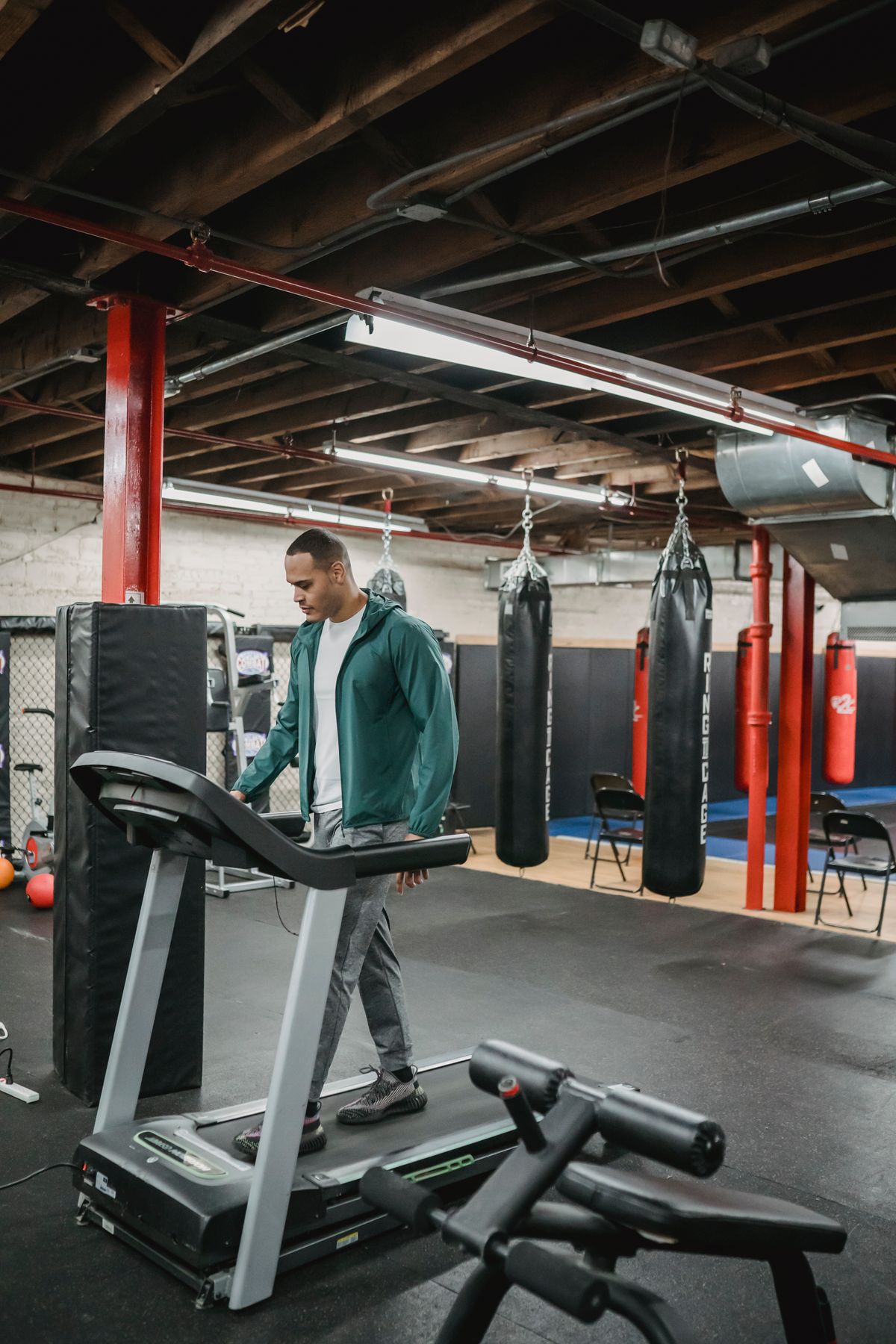
Athletic Performance
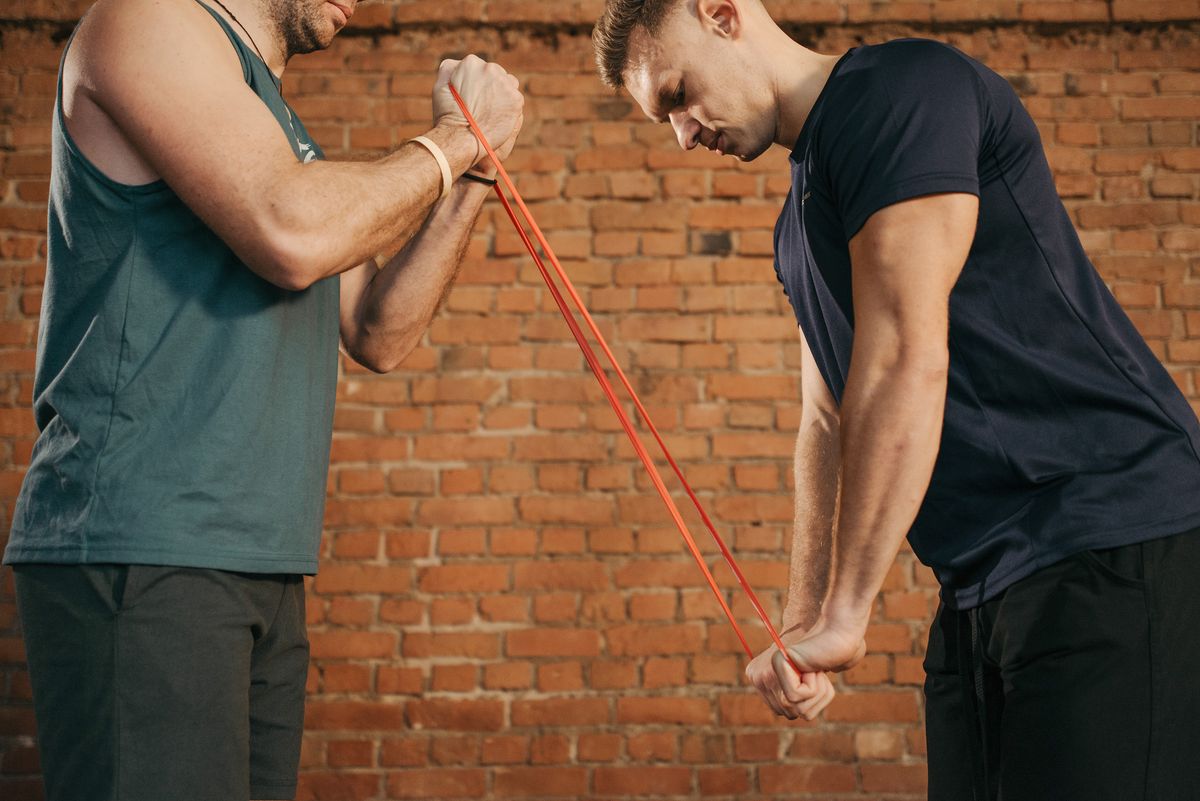
Performance training adds speed, reaction, power, coordination, and directional movement to a fitness routine. Medicine balls, slam balls, sandbags, resistance systems, plyometric equipment, agility tools, and reaction trainers can make sessions more dynamic without making them random.
Keep each drill connected to a purpose. A movement should develop a specific quality such as acceleration, coordination, explosive intent, change of direction, or repeat-effort conditioning.
Use medicine balls, slam balls, sandbags, and controlled explosive movements to train force with intent.
Use ladders, hurdles, markers, and plyometric tools to practice footwork, positioning, and changes of direction.
Use reaction and coordination trainers to add visual, timing, and decision-making demands to movement drills.
Combine ropes, weighted vests, functional tools, and short work intervals to develop repeatable effort.
When a drill becomes too fast to control, reduce the speed or complexity before adding more resistance or volume.
Mobility & Recovery
Mobility and recovery tools help create space between demanding sessions. Yoga mats, blocks, straps, Pilates and balance equipment, foam rollers, massage tools, and recovery systems can support slower work focused on movement quality, relaxation, and readiness for the next session.
Recovery does not need to become another exhausting workout. Use these sessions to reduce training intensity, explore comfortable movement, and maintain a routine you can repeat consistently.
Balance demanding training with lower-intensity mobility, stretching, or recovery work when appropriate.
Mobility work should stay controlled rather than forcing a position simply to create more range.
Foam rollers, massage tools, and compression equipment are easier to use when each session has a simple purpose.
Flooring, supports, storage, and organized equipment placement can make everyday training easier to manage.
Build Your Setup
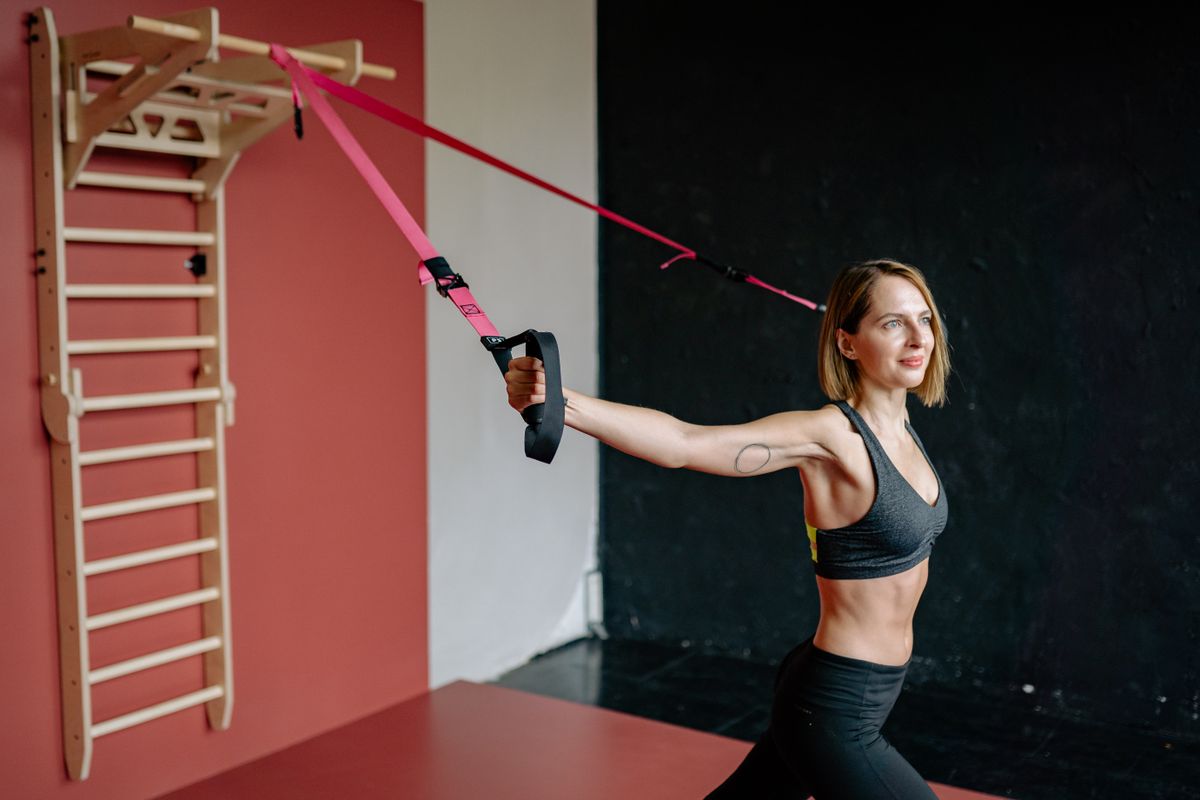
Use the structure below before adding more equipment to your training space.
Write down the quality you want to improve first: strength, cardio, performance, mobility, recovery, or general fitness.
Select a small group of products that directly supports the movements and sessions you plan to repeat.
Confirm equipment dimensions, floor protection, storage, adjustment room, and safe movement space before ordering larger gear.
Expand the setup when a new product solves a clear training need rather than adding equipment without a defined purpose.
These guides are general educational information, not individualized medical or rehabilitation advice. Choose training loads and movements appropriate to your experience and circumstances.
ActiveMora Support
Our customer support team is available 24/7 for questions about products, orders, shipping, delivery, returns, exchanges, and your ActiveMora training setup.