


Use controlled resistance
Select a load that lets you maintain stable positions and complete the intended range of motion with control.
Free shipping on every ActiveMora order.
Free Weights
Strength Equipment
Cardio Equipment
Conditioning Training
Functional Training
Agility & Sports Training
Yoga & Pilates
Recovery Equipment
Gym Accessories
ActiveMora / Strength Training
Build a stronger training foundation with equipment, movement patterns, and progression strategies designed to keep resistance work clear, measurable, and consistent.
Strength improves when movement quality and progressive resistance work together. Start with exercises you can control, then increase the challenge gradually.
Strength Basics
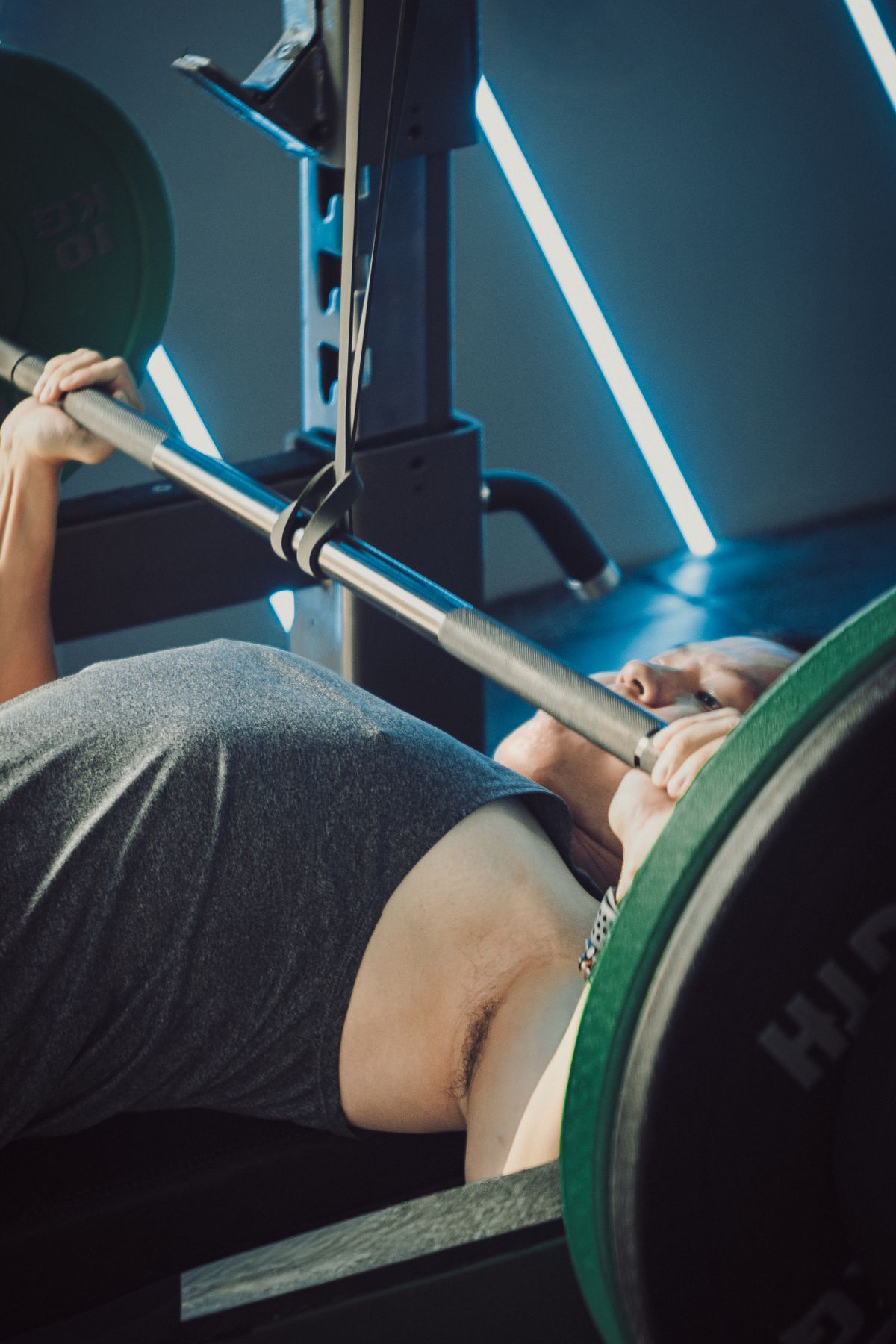
Strength training does not need dozens of exercises to be effective. A smaller group of controlled movements can create a better foundation because it is easier to repeat them, measure progress, and improve technique over time.
Choose resistance that lets you complete the planned work with stable form. The goal is not simply to move the heaviest possible load; it is to create a repeatable training stimulus that can gradually become more demanding.
Select a load that lets you maintain stable positions and complete the intended range of motion with control.
Keep core exercises in the program long enough to learn them and make progress instead of changing everything every session.
Record load, repetitions, sets, tempo, or exercise variation so progress is based on something measurable.
Balance demanding resistance work with enough recovery to keep technique and training quality consistent.
Movement Patterns
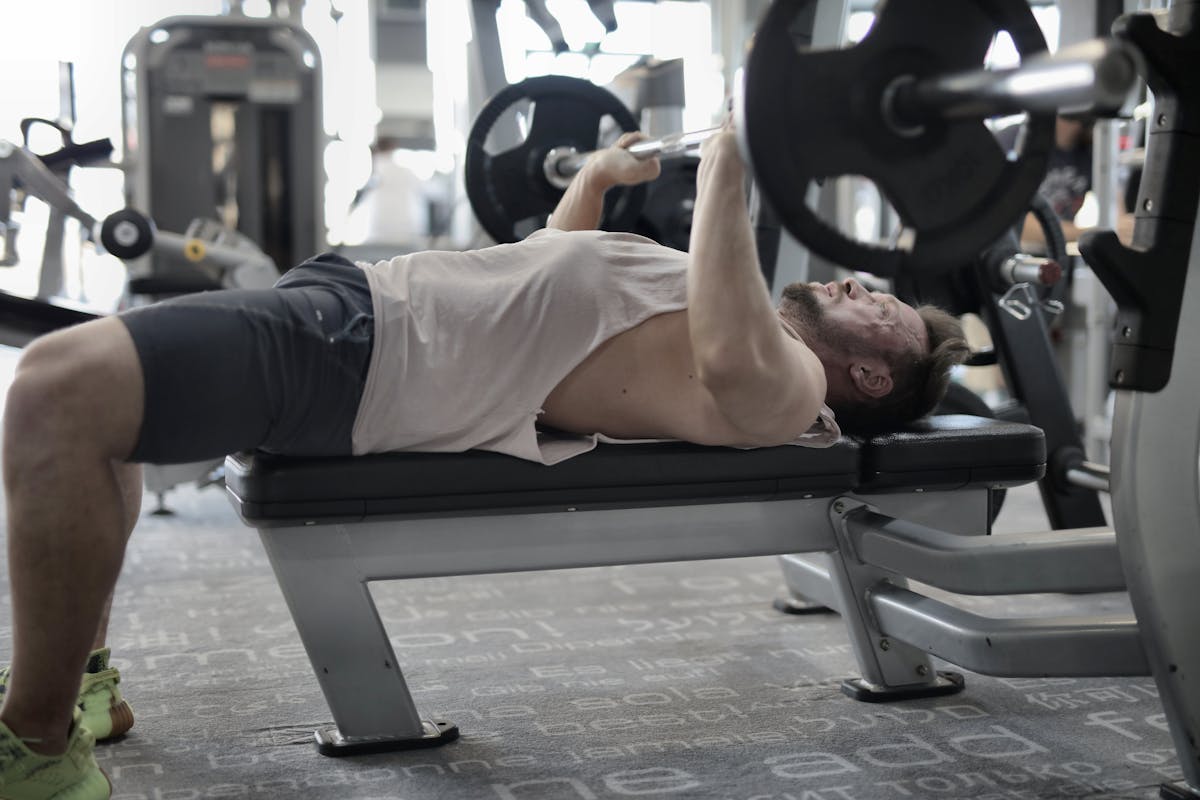
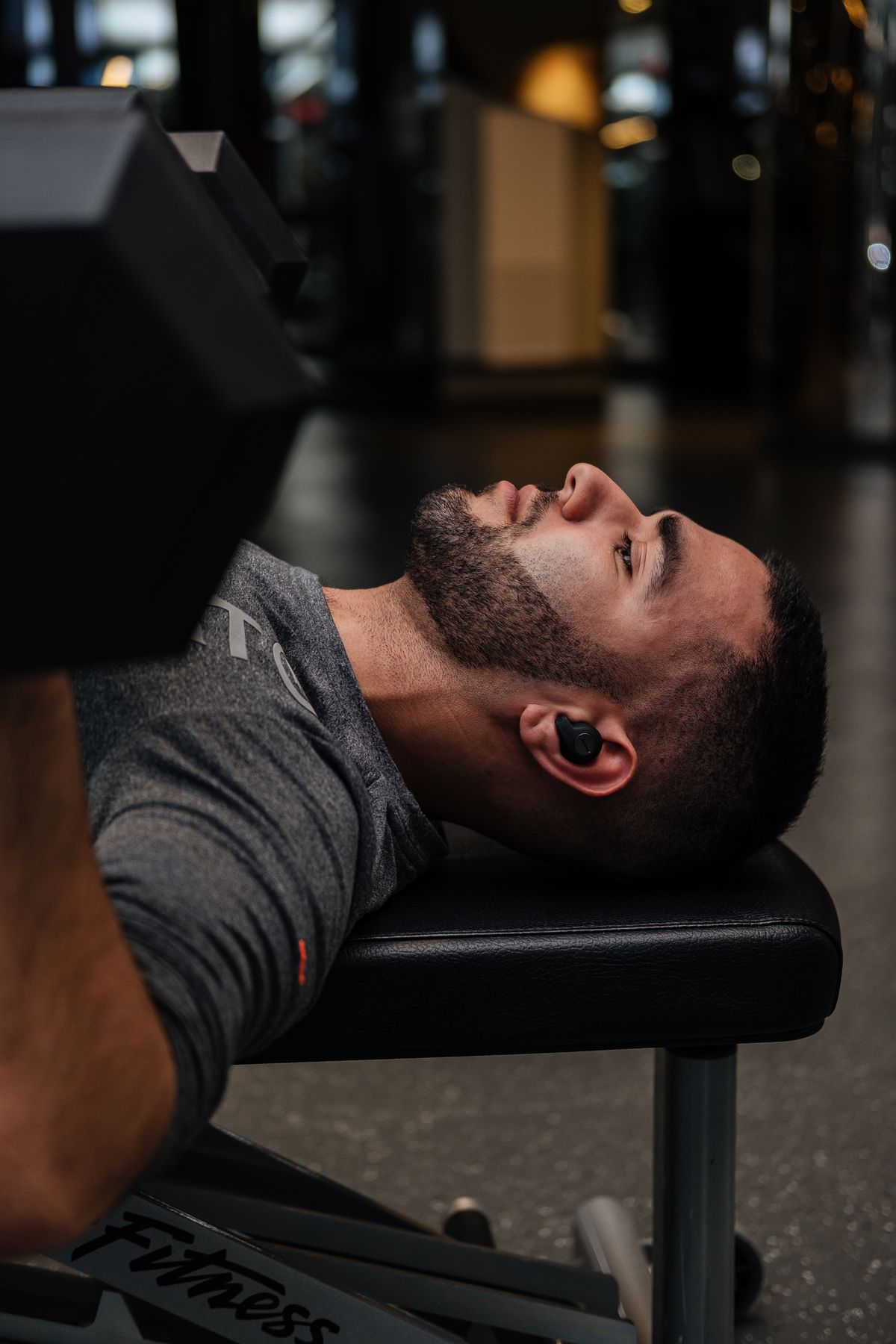
A balanced strength routine usually covers several basic movement patterns rather than relying on one exercise or one muscle group. Squatting, hinging, pushing, pulling, carrying, and controlled trunk work create a useful structure for organizing resistance training.
The equipment can change while the pattern stays familiar. A push might use dumbbells, a barbell, resistance bands, or bodyweight. A hinge might use kettlebells, dumbbells, a barbell, or a sandbag.
Use controlled knee and hip flexion with equipment such as dumbbells, kettlebells, barbells, or bodyweight stations.
Train hip-driven movements with kettlebells, dumbbells, barbells, plates, or sandbags while maintaining control through the trunk.
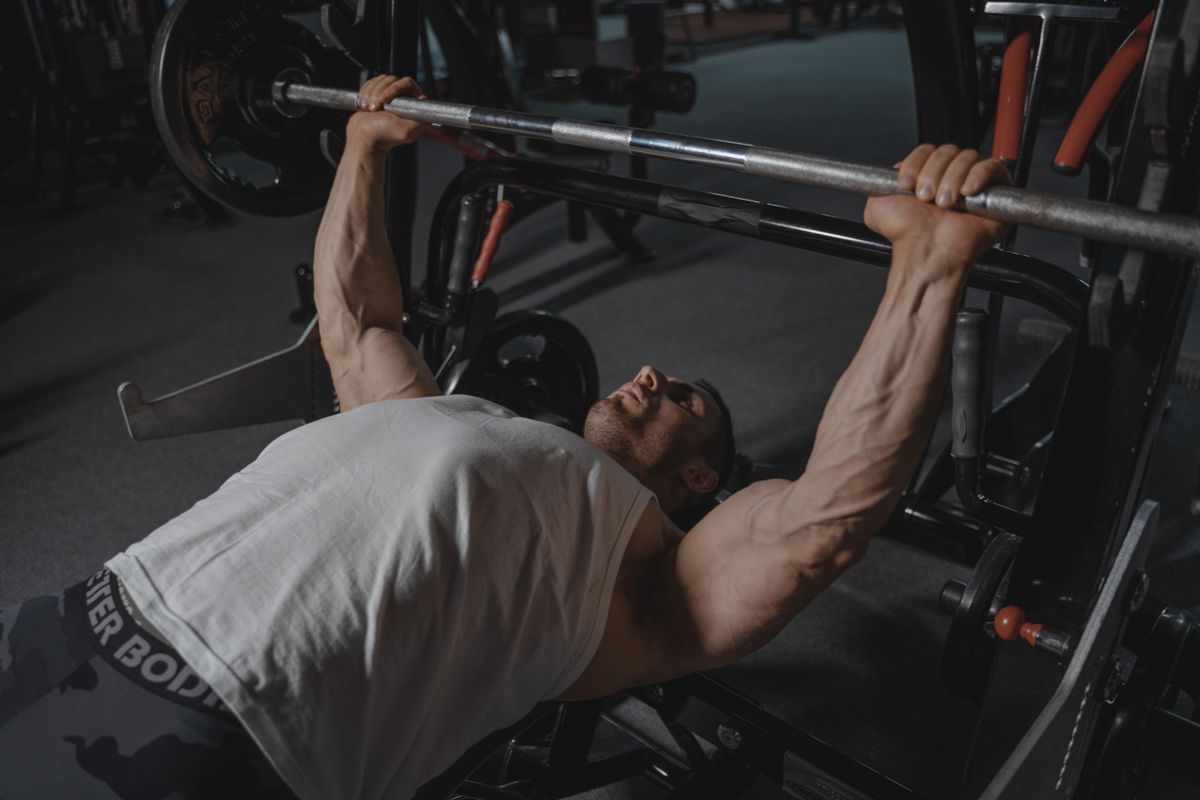
Use benches, free weights, racks, bands, suspension trainers, and bodyweight stations to build balanced upper-body strength.
Loaded carries and controlled core work can add grip, trunk stability, and full-body strength to the routine.
Progressive Strength
Progressive resistance is the engine behind strength development. The challenge should increase over time, but the increase does not always need to come from adding more weight.
You can progress by adding repetitions, adding a set, improving control, increasing range, using a more demanding variation, or gradually increasing resistance when the current workload is consistently manageable.
Keep the same resistance and gradually complete more controlled repetitions within the planned range.
Increase the load in manageable steps after the current resistance can be handled with stable technique.
Slower lowering phases, pauses, cleaner positions, and consistent range can make the same resistance more demanding.
Progress to more challenging exercise versions when the simpler movement has become stable and repeatable.
Changing load, repetitions, sets, tempo, and exercise difficulty all at once makes it harder to understand what is driving improvement.
Strength Equipment
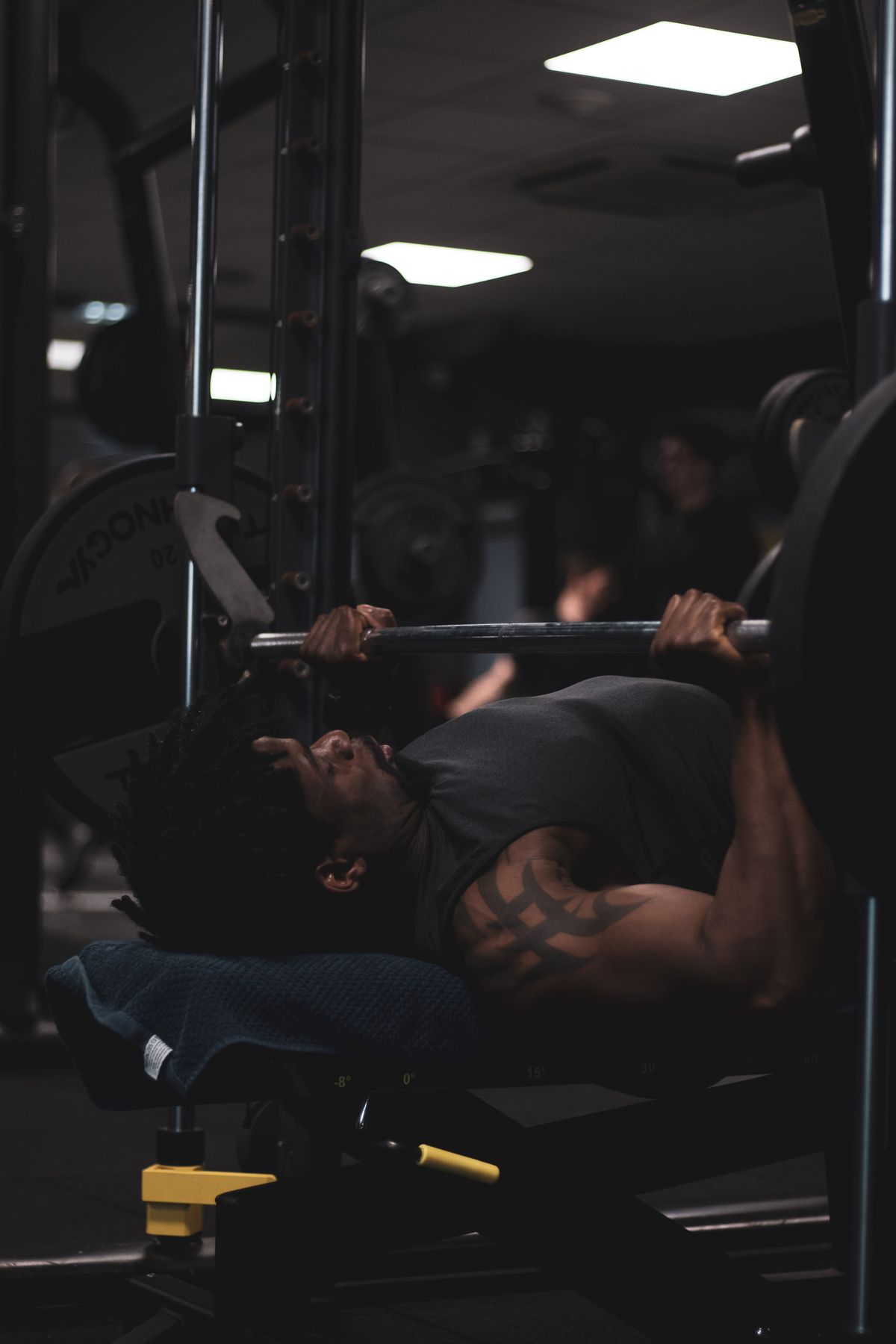
The best strength setup is not necessarily the largest one. It is the one that supports the movements you plan to repeat and gives you enough resistance range to keep progressing.
ActiveMora's strength categories cover compact free weights, larger weight systems, benches, racks, bodyweight stations, resistance bands, suspension trainers, supports, flooring, and storage.
Flexible for pressing, rowing, squatting, hinging, carrying, and accessory movements in compact training spaces.
Useful for loaded carries, hinges, squats, presses, and dynamic full-body strength work.
Support structured loading across squats, presses, pulls, deadlift variations, and other progressive strength movements.
Add stability, exercise variety, safer setup options, and more structured strength stations for home training.
Provide portable resistance and scalable bodyweight options for warm-ups, accessory work, and full-body sessions.
Help protect the training area, organize equipment, and create a cleaner environment for repeated strength sessions.
Recovery & Consistency
Strength is built through repeated training, not through one maximum-effort session. Recovery helps make those repeated sessions possible by giving fatigue time to settle and allowing technique to stay more consistent.
Use lighter training days, mobility work, walking, foam rolling, massage tools, or complete rest according to your needs and circumstances. Avoid turning every recovery session into another demanding workout.
Give demanding muscle groups and movement patterns enough time before repeating high-effort work.
Not every strength session needs the same intensity. Lower-load sessions can preserve movement practice without forcing maximum effort.
Use comfortable ranges and controlled movement to support readiness rather than forcing positions during recovery work.
Look at performance across several sessions instead of judging progress from one unusually good or difficult workout.
This page provides general educational information and is not individualized medical, rehabilitation, or injury-management advice. Choose exercises and resistance appropriate to your experience and circumstances.
Build Your Strength Setup
Use these four checks before expanding your strength-training space.
Choose the squat, hinge, push, pull, carry, and accessory movements you want the setup to support consistently.
Select equipment that is challenging now but also provides enough adjustment or loading capacity for future progress.
Check equipment dimensions, doorway clearance, ceiling height, movement space, flooring, and storage before adding larger gear.
Add new equipment when it solves a clear training need instead of filling the room with products that duplicate the same role.
ActiveMora Support
Our customer support team is available 24/7 for product questions, orders, shipping, delivery, returns, exchanges, and your ActiveMora strength-training setup.