


Use comfortable ranges
Move through ranges you can control instead of forcing positions simply to create a larger stretch.
Free shipping on every ActiveMora order.
Free Weights
Strength Equipment
Cardio Equipment
Conditioning Training
Functional Training
Agility & Sports Training
Yoga & Pilates
Recovery Equipment
Gym Accessories
ActiveMora / Mobility & Recovery
Move with more control, create space between demanding sessions, and build recovery habits around mobility, Pilates, balance work, stretching, foam rolling, massage, and restorative training tools.
Recovery does not need to become another hard workout. The goal is to support movement quality, comfort, readiness, and a training routine you can repeat consistently.

Mobility Foundation
Mobility training is most useful when it improves positions and movement you actually need. Instead of chasing extreme range, focus on controlled movement through comfortable ranges that can support strength work, cardio, everyday activity, and recovery.
A simple mobility routine can include breathing, gentle dynamic movement, controlled stretching, balance work, and low-intensity movement on a mat. The best routine is one you can perform consistently without turning it into another exhausting session.
Move through ranges you can control instead of forcing positions simply to create a larger stretch.
Choose movements that support the positions needed for your strength, cardio, agility, or everyday activity.
A shorter routine performed consistently is often easier to maintain than an occasional session that becomes overly demanding.
Increase range, duration, or complexity gradually only when the current movement feels stable and manageable.
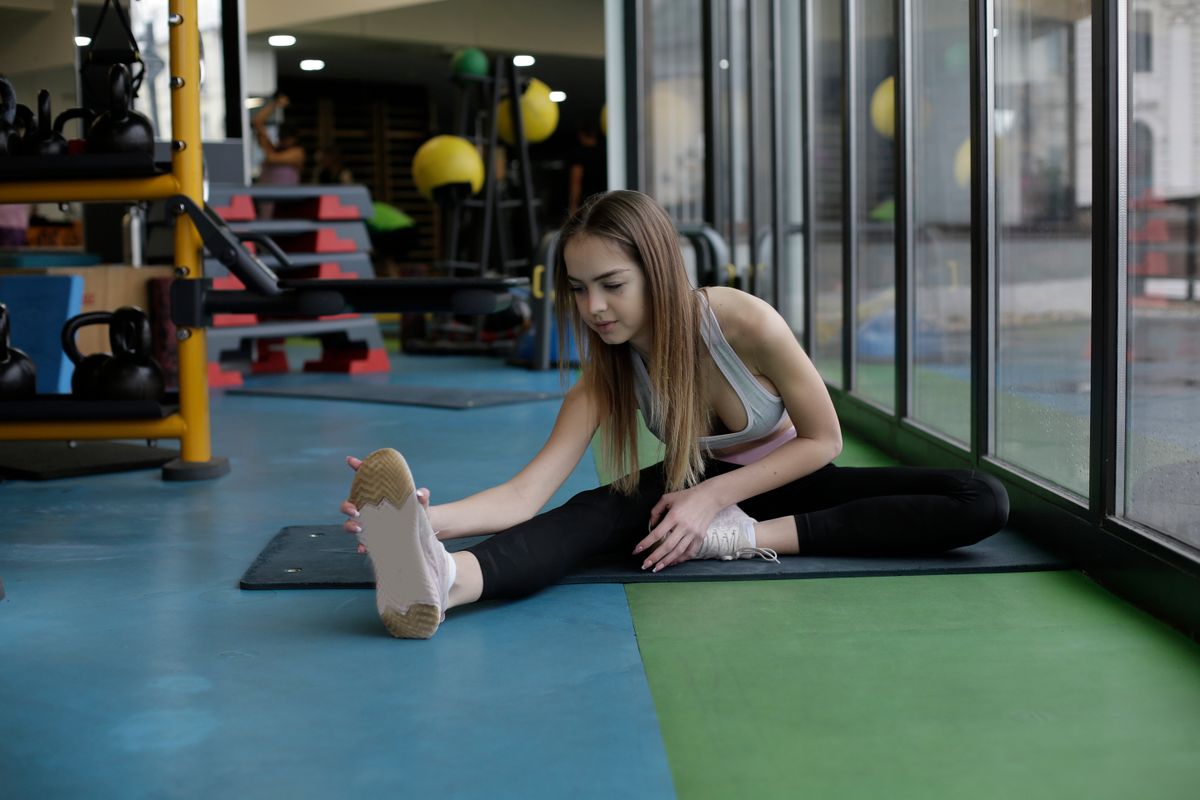
Mobility Practice
Useful mobility is not only about flexibility. It combines range with control. A position that can be reached but not managed under light tension may not transfer as well to training as a smaller range that stays stable.
Yoga mats, blocks, straps, balance equipment, and Pilates tools can help scale positions so the movement fits your current ability rather than forcing the body into a fixed shape.
Begin with low-intensity movement that increases comfort and awareness before using longer holds or more demanding ranges.
Use breathing and steady movement to stay in control instead of bouncing or forcing the body deeper into a stretch.
Blocks, straps, mats, balance equipment, and Pilates accessories can make a position more manageable and repeatable.
End with slower movement or relaxed positions rather than turning the final minutes into another high-effort training block.
Massage & Recovery Tools
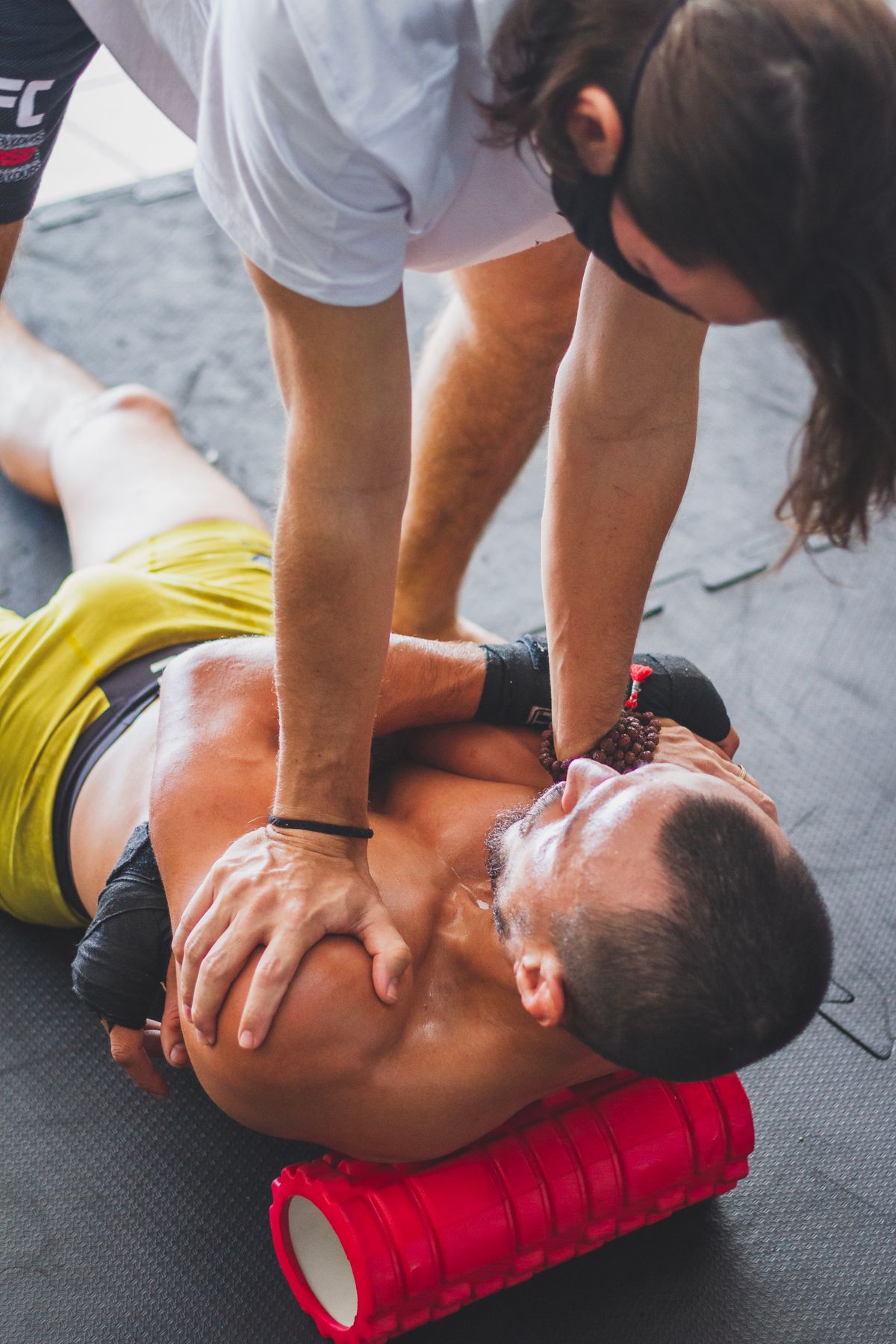
Recovery tools work best when they have a clear purpose. Foam rollers, massage tools, compression systems, and related products can be used as part of a lower-intensity routine without turning recovery into a test of how much pressure or discomfort you can tolerate.
Use moderate pressure and short, focused sessions. The aim is to create a repeatable recovery habit that complements training rather than adding unnecessary fatigue.
Use controlled passes and moderate pressure instead of rushing across large areas or forcing highly uncomfortable positions.
Keep intensity appropriate and use the tool on areas where a short, targeted session fits your recovery routine.
Follow the product instructions carefully and use settings that fit your comfort level and intended recovery session.
Use recovery tools when they help you transition out of hard training or prepare for a lower-intensity day.
If a recovery session becomes exhausting or excessively uncomfortable, reduce the intensity, duration, or complexity.
Pilates, Balance & Stability
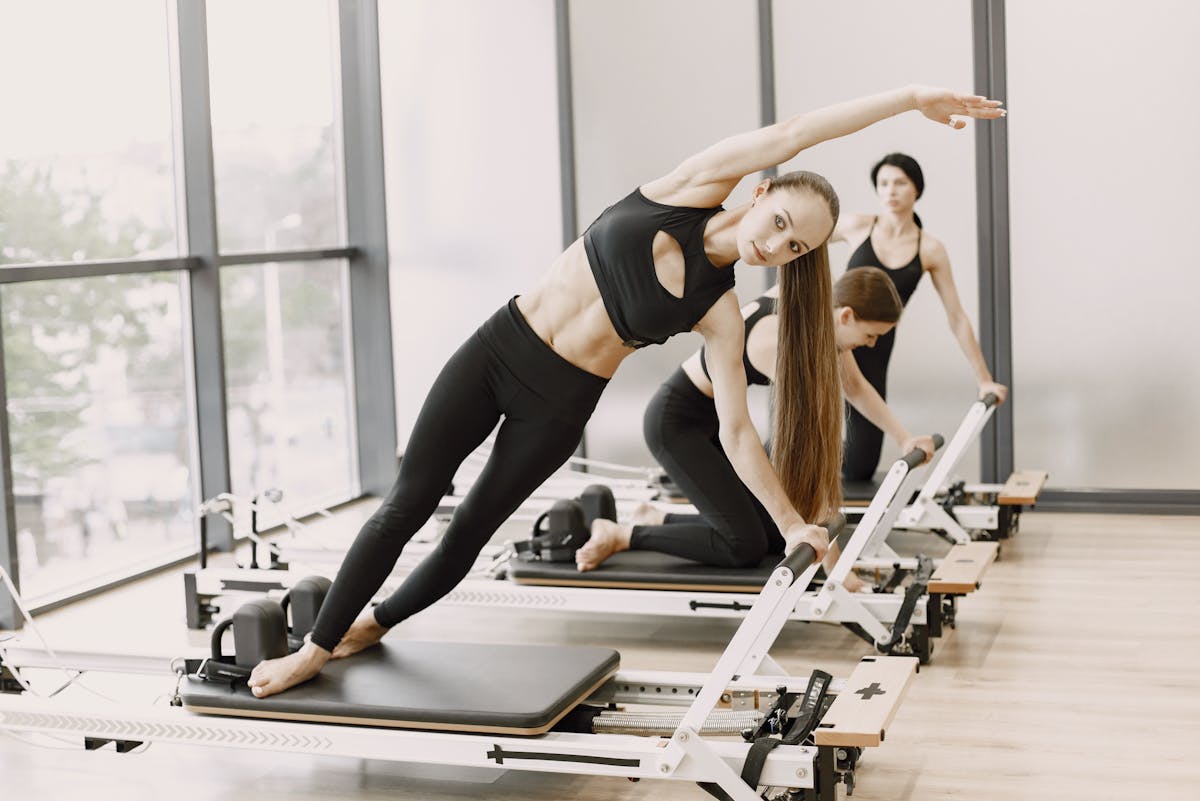
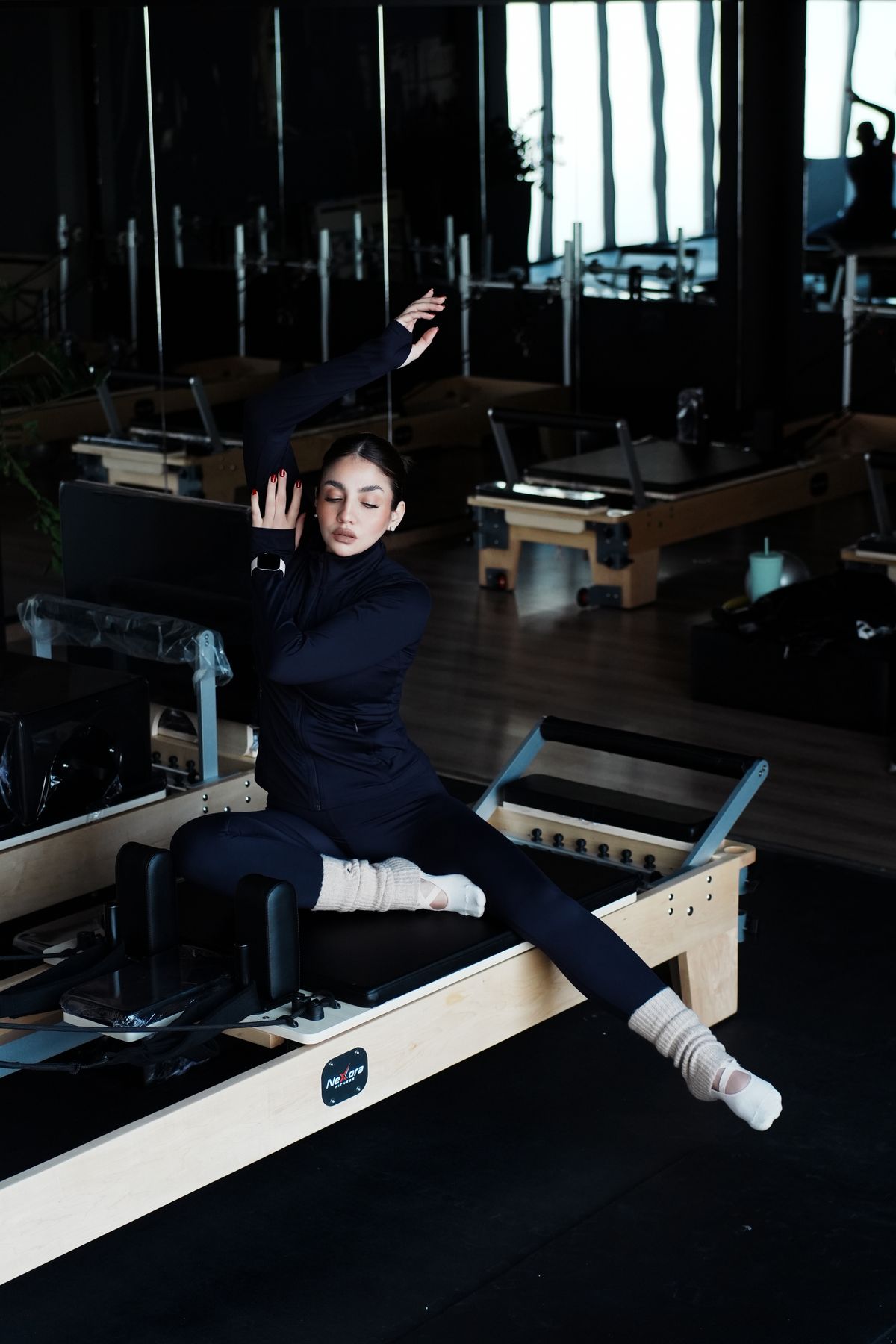
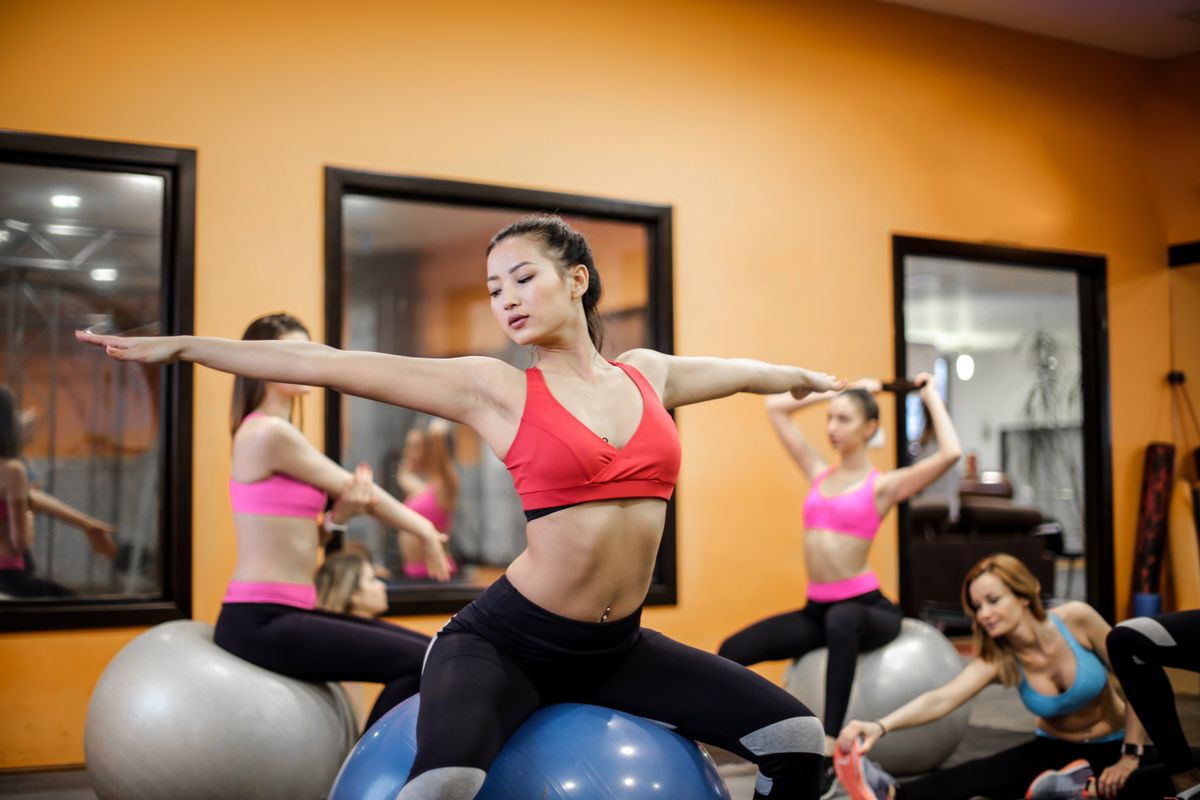
Pilates and stability training can add controlled resistance, balance challenges, posture awareness, and slower strength work to a broader fitness routine. Reformer machines, rings, stability balls, and balance equipment all offer different ways to scale the challenge.
Keep the movement quality high. Stability work becomes less useful when the exercise is made so difficult that control disappears.
Provide guided resistance and movement patterns for controlled full-body training, balance, and mobility-focused sessions.
Add light resistance and feedback for controlled arm, leg, core, and stability exercises.
Support balance, trunk control, mobility, and exercise variations that use an unstable surface deliberately.
Add coordination and stability demands when the challenge is appropriate to the movement and training goal.
Recovery Routine
A recovery routine is easier to maintain when it stays simple. Choose a small number of tools and movements that fit naturally around your harder training days instead of creating a completely separate program that is difficult to follow.
You can combine gentle movement, comfortable stretching, foam rolling, massage tools, Pilates, balance work, or complete rest according to your training load and personal needs.
Use a short transition period with lower-intensity movement, breathing, or gentle mobility if it helps you finish the session calmly.
Use mobility, Pilates, walking, balance work, or recovery tools at an intensity that leaves the session feeling manageable.
Choose preparation work that improves movement comfort without adding enough fatigue to reduce training quality.
Adjust the amount of mobility and recovery work to match how demanding the current training week has been.
This page provides general educational information and is not individualized medical, rehabilitation, pain-management, or injury-treatment advice. Choose activities appropriate to your experience and circumstances.
Build Your Recovery Setup
Use these checks before adding more mobility or recovery equipment to your training space.
Choose whether your main goal is mobility, balance, Pilates, massage, foam rolling, or a broader recovery routine.
Select equipment you can use consistently instead of buying multiple products that perform nearly the same role.
Keep enough clear floor area for mats, stretching, Pilates movements, balance work, and comfortable transitions between exercises.
Recovery tools should fit around training and leave room for the next session rather than creating more unnecessary fatigue.
ActiveMora Support
Our customer support team is available 24/7 for product questions, orders, shipping, delivery, returns, exchanges, and your ActiveMora mobility and recovery setup.